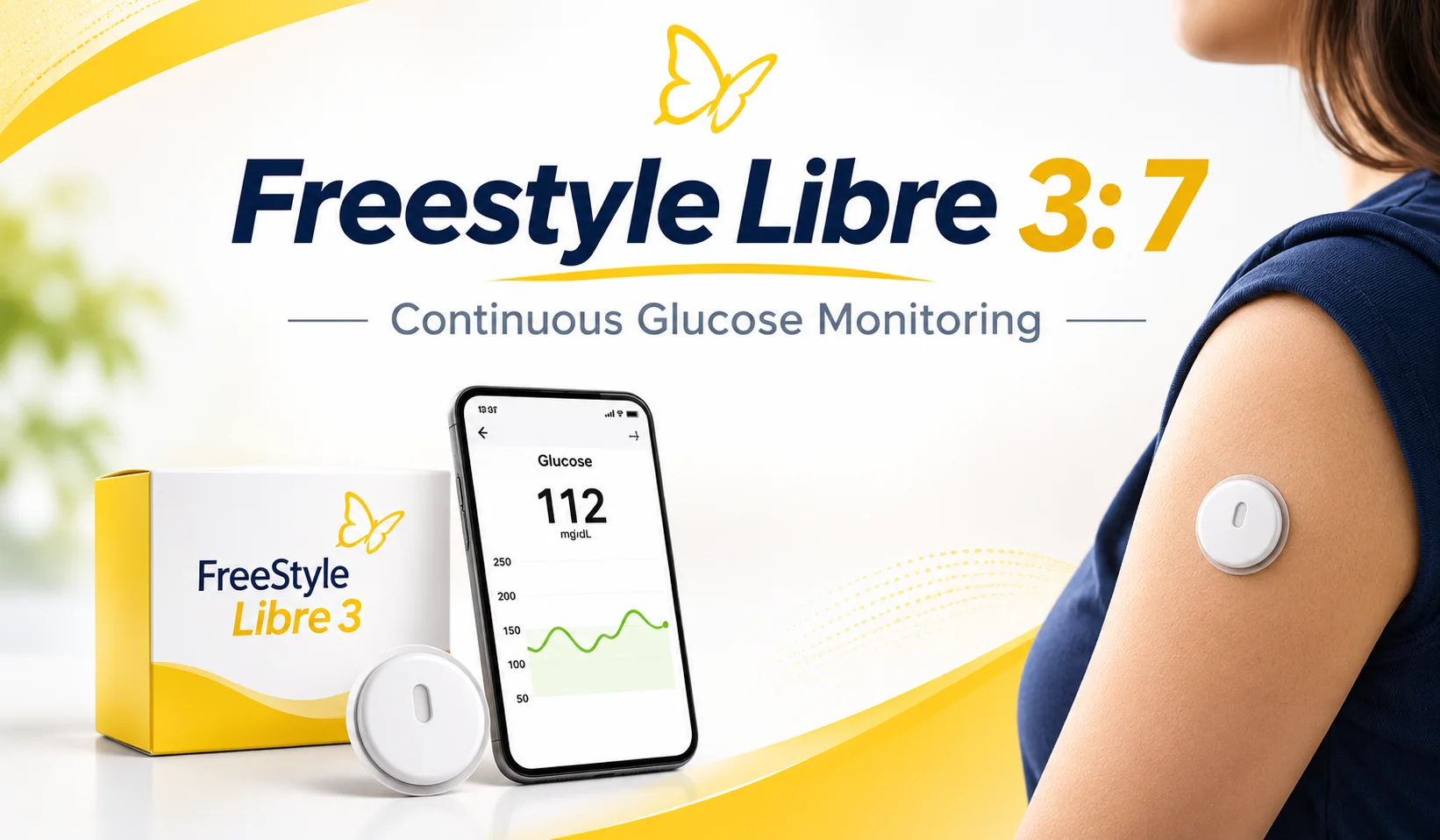
Managing diabetes becomes easier when glucose readings begin to tell a meaningful story rather than appearing as isolated numbers. A single glucose measurement can show what is happening at a particular moment, but it cannot explain how blood sugar changes throughout the day or responds to meals, exercise, sleep, and medication. This is where the Freestyle Libre 3 continuous glucose monitoring system offers a different perspective.
The search term Freestyle Libre 3: 7 commonly relates to understanding glucose information collected over seven days, reviewing weekly patterns, or checking sensor performance during the first week of use. Although the standard Freestyle Libre 3 sensor is designed to last up to 14 days, its glucose reports can help users examine shorter periods, including a seven-day window. Understanding these reports can make everyday diabetes management more informed and less dependent on occasional glucose checks.
Seven Days Can Reveal What a Single Glucose Test Cannot
Glucose levels rarely remain completely stable. They change naturally throughout the day as the body processes food, responds to physical activity, releases hormones, and adjusts to medication. For someone living with diabetes, these fluctuations may become difficult to recognize through occasional finger-prick measurements alone.
Freestyle Libre 3 continuously estimates glucose levels using a small sensor worn on the back of the upper arm. It measures glucose in the interstitial fluid, the fluid surrounding cells beneath the skin, and transmits readings to a compatible smartphone or reader. This allows users to observe glucose movements without manually scanning the sensor for every reading.
Reviewing seven days of information can reveal recurring patterns. Someone might notice consistently higher glucose levels after breakfast, gradual decreases during afternoon activity, or unexpected changes overnight. These observations provide useful context for conversations with healthcare professionals and can help identify areas that deserve closer attention.
However, one week of readings does not provide a complete picture of long-term diabetes control. Illness, disrupted sleep, changes in routine, or unusual activity can influence a short reporting period.
What the Number 7 Actually Means for Freestyle Libre 3
One important distinction is that Freestyle Libre 3 is not normally a seven-day sensor. The original Freestyle Libre 3 sensor is designed for up to 14 days of wear, while the Freestyle Libre 3 Plus sensor offers up to 15 days, depending on the version and market.
The number seven may instead refer to a reporting period within glucose monitoring software. Users can examine recent readings to understand how glucose behaved throughout the previous week.
A seven-day report can help identify several important details:
- Average glucose levels during the selected period.
- The percentage of time glucose remained within the selected target range.
- Periods of glucose readings above or below the target range.
- Daily patterns associated with meals, activity, or sleep.
- Changes in glucose variability throughout the week.
These measurements become most useful when interpreted together. A reasonable average glucose level, for example, does not necessarily mean glucose remained stable. Frequent highs and lows can sometimes produce an average that hides significant fluctuations.
The Small Sensor That Changes How Glucose Is Observed
Freestyle Libre 3 uses a compact wearable sensor designed to collect glucose information throughout the day and night. A tiny flexible filament sits beneath the skin, while the external portion remains attached to the upper arm with an adhesive patch.
Unlike traditional glucose meters, which measure glucose directly from a small blood sample, the sensor estimates glucose from interstitial fluid. This difference matters because interstitial glucose may lag behind blood glucose when levels change rapidly, such as after eating, exercising, or treating low blood sugar.
The system typically provides updated readings every minute and displays the current glucose value alongside a trend arrow. This additional information allows users to see not only where glucose is but also the direction in which it is moving.
A rising trend arrow may indicate that glucose is increasing, while a downward arrow suggests it is falling. Understanding these movements can provide valuable context, although treatment decisions should always follow the device instructions and an individualized diabetes management plan.
The First Week Is About Learning Patterns, Not Chasing Perfect Numbers
The first seven days of Freestyle Libre 3 use can feel surprisingly revealing. Someone accustomed to checking glucose only a few times daily may suddenly notice fluctuations that were previously invisible.
This increased visibility can be useful, but it may also encourage unnecessary reactions to every small change. Glucose levels naturally fluctuate, and not every movement requires correction.
Rather than focusing on achieving a perfectly flat graph, users can consider whether patterns repeat under similar circumstances. A rise after a particular meal might be worth discussing if it occurs regularly. A nighttime decrease may deserve attention if it becomes consistent or triggers low-glucose alarms.
It is also helpful to recognize that readings collected during the first day of a new sensor may sometimes differ from expectations. If a value does not match physical symptoms, users should follow the manufacturer’s guidance and check with a finger-prick blood glucose meter when indicated.
The Glucose Range That Gives Weekly Reports Their Meaning
One of the most useful continuous glucose monitoring measurements is Time in Range, often abbreviated as TIR. This represents the percentage of time glucose remains within an individually selected target range.
For many nonpregnant adults with diabetes, a commonly used target range is 70–180 mg/dL, equivalent to approximately 3.9–10.0 mmol/L. A frequently recommended goal is spending more than 70% of the time within that range, although suitable targets vary according to age, pregnancy, medical conditions, and risk of hypoglycemia.
For a seven-day review, several measurements deserve consideration:
Time Above Range: Shows how often glucose exceeds the selected upper threshold and may help identify recurring high-glucose periods.
Time Below Range: Identifies periods of low sensor glucose, which can be particularly important for individuals using insulin or medications associated with hypoglycemia.
Glucose Variability: Describes how widely glucose readings fluctuate. Lower variability may indicate more consistent glucose patterns, although it must be considered alongside the actual glucose levels.
Average Glucose: Provides a general summary of readings but should not be interpreted without examining highs, lows, and daily patterns.
The goal is to understand glucose behavior rather than judge diabetes management by one isolated percentage.
When the Screen Shows a Number That Does Not Feel Right
Continuous glucose monitoring technology is useful, but no sensor is perfectly accurate in every situation. Differences between sensor readings and finger-prick measurements may occur because the two methods measure glucose in different body fluids.
Rapid glucose changes, pressure on the sensor during sleep, temporary signal interruptions, and certain interfering substances can affect measurements or their interpretation.
If the displayed reading does not match symptoms or expectations, the user should check blood glucose with a meter rather than relying on an uncertain sensor result. Symptoms of significant hypoglycemia or hyperglycemia require prompt attention according to the person’s medical care plan.
Freestyle Libre 3 also includes glucose alarms, but their usefulness depends on correct device setup, compatible hardware, functioning notifications, and reliable communication between the sensor and receiving device. Alarms are valuable safeguards, not substitutes for recognizing symptoms.
A Sensor Works Best When Everyday Habits Support It
Proper application and routine care can influence the experience of wearing Freestyle Libre 3. The sensor should be applied according to the instructions supplied with the specific product, using the approved location and recommended skin preparation.
Clean, dry skin can help support adhesion. Users should avoid applying the sensor over irritated skin, scars, or unsuitable areas. Activities involving repeated friction or pressure against the sensor may increase the likelihood of it becoming loose.
People who develop significant skin irritation, persistent discomfort, or unusual swelling around the application site should seek professional guidance. A damaged or detached sensor should not be reinserted.
Compatibility is another practical consideration. Not every smartphone supports every Libre application or sensor version. Checking the supported device list before starting a new sensor can prevent unnecessary difficulties.
Why Freestyle Libre 3 Plus Deserves a Separate Look
Freestyle Libre 3 and Freestyle Libre 3 Plus share several core continuous monitoring features, but they are not identical.
The original Freestyle Libre 3 sensor supports up to 14 days of wear and is indicated for people aged four years and older under its US labeling. The Plus version extends sensor wear to up to 15 days and has a lower indicated minimum age of two years under its US labeling.
Availability, compatible applications, regulatory indications, and integration with other diabetes technology can differ by country. Users should therefore confirm which model they have before relying on instructions intended for another version.
The difference in wear duration does not change the central purpose of a seven-day report. Whether the sensor lasts 14 or 15 days, the selected reporting period is intended to help users examine glucose patterns over a specific timeframe.
Questions Worth Answering Before Trusting a Weekly Report
Does Freestyle Libre 3 have a seven-day sensor?
The standard Freestyle Libre 3 sensor is designed for up to 14 days, not seven. Seven days commonly refers to a glucose reporting period or the first week of sensor use.
Can Freestyle Libre 3 show glucose changes while sleeping?
Yes. The system can continuously collect glucose readings overnight, allowing users to examine nighttime trends and potential low- or high-glucose episodes.
Is seven days enough to understand overall diabetes control?
Seven days can reveal useful patterns, but longer periods often provide a more representative picture. Many clinical assessments of continuous glucose monitoring use approximately 14 days of sufficiently complete data.
Can Freestyle Libre 3 completely replace finger-prick testing?
Not in every situation. A blood glucose meter remains important when sensor readings do not match symptoms or when the device instructions specifically recommend confirmation.
What happens after the sensor reaches its wear limit?
The sensor stops providing readings once its approved operating period ends. A new compatible sensor must be applied and started according to the manufacturer’s instructions.
The Real Value of Watching Glucose Across Seven Days
The greatest advantage of Freestyle Libre 3 is not simply the convenience of seeing glucose information on a screen. It is the opportunity to understand patterns that would otherwise remain unnoticed.
A seven-day review can show how daily routines influence glucose, whether certain patterns occur repeatedly, and where additional guidance may be beneficial. These observations are particularly useful when combined with medication history, meal timing, physical activity, and advice from a qualified diabetes care professional.
Freestyle Libre 3 provides information, but meaningful diabetes management depends on interpreting that information carefully. Rather than responding to every movement on the glucose graph, users can focus on recurring trends, appropriate targets, and safe decisions supported by their healthcare team.
More Explore:
Wondrand: What the Edge of a Wound Reveals About Healing and Skin Recovery