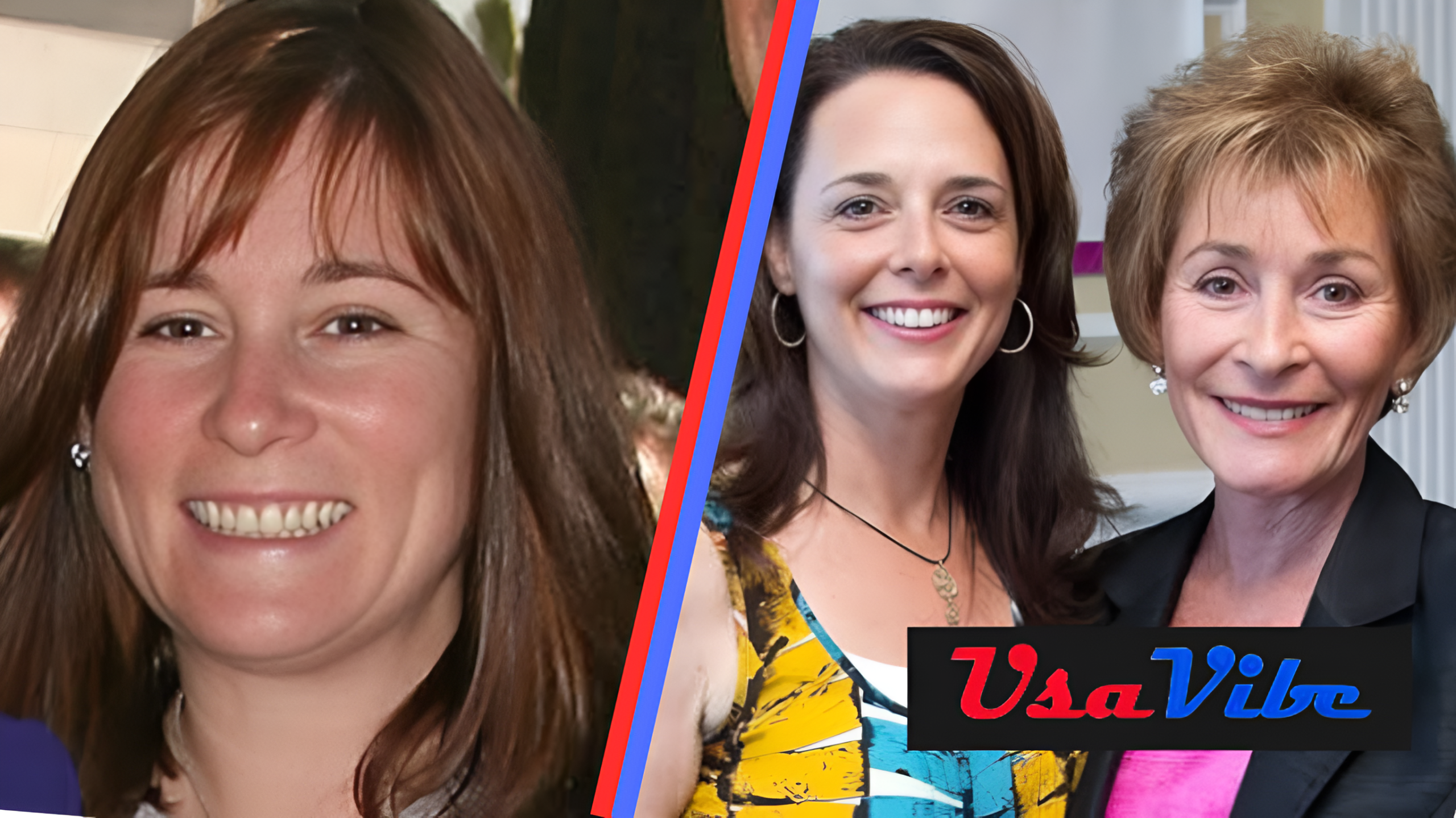
Safra Catz and Diane von Furstenberg have built influential careers in industries that operate by very different rules. Catz became a prominent technology executive through her work at Oracle, where financial strategy, acquisitions, and corporate management shaped her leadership. Diane von Furstenberg built an internationally recognized fashion brand around distinctive design, business entrepreneurship, and the idea that clothing can help women express confidence and independence.
Their professional stories offer an interesting comparison between corporate leadership and creative entrepreneurship. One spent decades helping guide a global enterprise technology company, while the other transformed a signature fashion design into a recognizable international brand.
Although both women are widely recognized for their professional achievements, their careers developed independently. There is no widely documented direct business partnership between them. Their common ground lies in the influence they have built within their respective industries and their roles as prominent women in business.
Who Are Safra Catz and Diane von Furstenberg?
Safra Catz is an American business executive best known for her leadership at Oracle, the enterprise technology company. She joined Oracle in 1999 and held senior positions including president and chief financial officer before becoming co-CEO in 2014. She subsequently served as the company’s sole CEO and transitioned to executive vice chair of Oracle’s board in September 2025.
Diane von Furstenberg is a Belgian-born American fashion designer, entrepreneur, author, and philanthropist. She founded her eponymous fashion brand in 1972 and became internationally recognized for the wrap dress, a design that combined practicality with a distinctive, feminine silhouette.
Catz’s achievements are primarily associated with corporate strategy and technology management. Von Furstenberg’s influence comes from fashion design, brand development, and her efforts to support women in leadership.
Their careers demonstrate that there is more than one way to build a lasting professional reputation. Corporate decision-making and creative vision may require different skills, but both can shape businesses and influence people well beyond their original industries.
Safra Catz’s Early Life and Education
Safra Catz was born in Israel and moved to the United States during childhood. Her academic background combined business education with legal training, giving her a foundation for working with complex corporate decisions.
She earned a bachelor’s degree from the University of Pennsylvania’s Wharton School and a law degree from the university’s law school. Before joining Oracle, she worked in investment banking at Donaldson, Lufkin & Jenrette, eventually becoming a managing director.
That experience exposed her to corporate transactions, financial planning, and the commercial considerations involved in major business decisions.
Catz joined Oracle in 1999, initially taking on responsibilities that expanded as the company grew. She became president in 2004 and held significant financial responsibilities during her rise through the executive ranks.
Her combination of financial knowledge, legal education, and corporate experience became an important part of her leadership profile.
Safra Catz’s Career at Oracle
Oracle operates in a competitive technology market that includes enterprise software, databases, cloud computing, and business applications. Its products support organizations across industries, from financial services and retail to healthcare and government.
Catz played a major role in Oracle’s corporate strategy for more than two decades. As president and chief financial officer, she was involved in the company’s financial management, acquisitions, and operational planning.
Oracle pursued numerous acquisitions during her tenure, expanding its portfolio of enterprise software and business applications. These transactions helped the company broaden its offerings and strengthen relationships with corporate customers.
Another major development was Oracle’s expansion into cloud computing. As businesses increasingly adopted cloud-based systems, Oracle faced pressure to compete with companies offering large-scale infrastructure and software services over the internet.
Catz became co-CEO in September 2014 alongside Mark Hurd. Following Hurd’s death in 2019, she continued as Oracle’s sole CEO.
In September 2025, Oracle announced that Catz would become executive vice chair of its board, while Clay Magouyrk and Mike Sicilia took over as co-CEOs. The transition marked the end of her tenure as chief executive but allowed her to remain involved in corporate leadership.
Her career illustrates how executive influence can extend beyond a single title, particularly when an experienced leader moves from managing daily operations toward board-level responsibilities.
Diane von Furstenberg’s Early Life and Entry Into Fashion
Diane von Furstenberg was born Diane Simone Michelle Halfin on December 31, 1946, in Brussels, Belgium. She later moved into the fashion industry, developing the commercial and creative experience that would shape her own label.
Her early work included experience in the textile business in Italy. That exposure helped her understand fabrics, manufacturing, and the relationship between design and the finished garment.
In 1972, she launched her fashion brand in New York. Her approach combined bold prints, accessible silhouettes, and clothing designed to fit into the lives of women with busy professional and personal schedules.
The wrap dress became her defining creation. Introduced in the 1970s, it offered a practical design that could be dressed up or down while maintaining a recognizable appearance.
The dress became a major commercial success and helped establish von Furstenberg as an influential figure in American fashion.
Her success was not based on a single design alone. She developed a brand identity around independence, confidence, and clothing that allowed women to express their own personalities.
How Diane von Furstenberg Built Her Fashion Brand
The growth of the DVF brand illustrates the importance of connecting a product with a clear identity.
The wrap dress was versatile and recognizable, but the broader business also relied on distribution, brand positioning, and the ability to reach customers in different markets.
Von Furstenberg expanded her business beyond its original products, licensing her name across additional categories and developing an international presence. Like many fashion businesses, the brand experienced changes in commercial conditions and strategic direction over time.
Her contribution to fashion also extended into cultural leadership. Rather than focusing exclusively on clothing, she became an advocate for women’s empowerment and professional visibility.
In 2010, she and Barry Diller established the DVF Awards through the Diller-von Furstenberg Family Foundation. The awards recognize women who demonstrate courage, leadership, and commitment to improving the lives of others.
She has also served in leadership roles within the Council of Fashion Designers of America and supported initiatives connected to the arts and public spaces in New York City.
These activities show how her professional influence extends beyond fashion design into philanthropy and public life.
Safra Catz vs. Diane von Furstenberg: Leadership Compared
Catz and von Furstenberg demonstrate different approaches to building successful organizations.
Corporate strategy and financial leadership: Catz’s career reflects expertise in financial management, acquisitions, and the operations of a global technology company. Her work involved decisions that could affect enterprise customers, employees, investors, and Oracle’s competitive position.
Creative entrepreneurship and brand building: Von Furstenberg built a fashion business around a distinctive product and a clear brand identity. Her career highlights the importance of design, customer understanding, and maintaining relevance in a competitive consumer market.
Long-term influence: Both women have remained influential beyond individual achievements. Catz helped guide Oracle through major changes in enterprise technology, while von Furstenberg developed a lasting place in fashion and established initiatives supporting women.
Their leadership styles cannot be judged by the same commercial measures. Oracle’s success depends on technology investment, customer relationships, and financial performance. A fashion brand must balance creative identity with consumer demand, product development, and market positioning.
The comparison is useful precisely because it shows how different skills can lead to lasting influence.
What Challenges Have Shaped Their Careers?
For Catz, a major challenge involved helping Oracle adapt to a technology market increasingly shaped by cloud computing and artificial intelligence. Established software companies must protect existing business relationships while investing in new products and infrastructure.
For von Furstenberg, the challenge has been sustaining a distinctive fashion identity in an industry where trends, consumer expectations, and competitive pressures change constantly. A recognizable design can create a strong foundation, but maintaining a business requires continued attention to quality, relevance, and brand positioning.
Both careers also demonstrate that success is rarely permanent without adaptation. A company or brand must respond to changing conditions rather than rely solely on its previous achievements.
Their experiences highlight two different forms of leadership: managing technological and financial complexity on one side, and combining creativity with commercial judgment on the other.
Where Are Safra Catz and Diane von Furstenberg Now?
As of October 2026, Safra Catz serves as executive vice chair of Oracle’s board. She remains associated with the company after transitioning away from the CEO role in September 2025. Oracle’s current executive leadership is shared by Clay Magouyrk and Mike Sicilia.
Diane von Furstenberg continues to be associated with her fashion brand, philanthropy, and initiatives supporting women. Her legacy includes the enduring recognition of the wrap dress and the DVF Awards, alongside her wider contribution to the fashion industry.
The two women now represent different forms of professional influence. Catz’s work is closely connected to corporate governance and technology strategy, while von Furstenberg’s continues through fashion, entrepreneurship, and advocacy.
Frequently Asked Questions
Are Safra Catz and Diane von Furstenberg related?
There is no widely documented evidence that the two women are related. They have separate professional backgrounds and are known for their work in different industries.
What is Safra Catz famous for?
Catz is best known for her long executive career at Oracle, including her tenure as CEO and her involvement in corporate strategy, financial management, and acquisitions.
What is Diane von Furstenberg famous for?
Von Furstenberg is best known for creating the iconic wrap dress and establishing the DVF fashion brand. She is also recognized for supporting women’s leadership through the DVF Awards.
Are Safra Catz and Diane von Furstenberg business partners?
There is no widely documented direct business partnership between them. Their influence comes from their separate careers in technology and fashion.
Final Thoughts
Safra Catz and Diane von Furstenberg demonstrate how different professional strengths can produce lasting influence. Catz built her career through financial expertise and executive leadership at a major technology company. Von Furstenberg transformed a creative idea into an internationally recognized fashion brand while developing a broader role in philanthropy and women’s empowerment.
Their stories offer a useful lesson about professional success: there is no single path to building something that lasts. Strong business judgment, creative vision, and the ability to adapt can each help individuals create meaningful achievements.
Although their careers have followed separate directions, both women have influenced their industries and established legacies that extend beyond their original roles.
Also Read: Safra Catz and John Stankey: Careers, Leadership, and Achievements