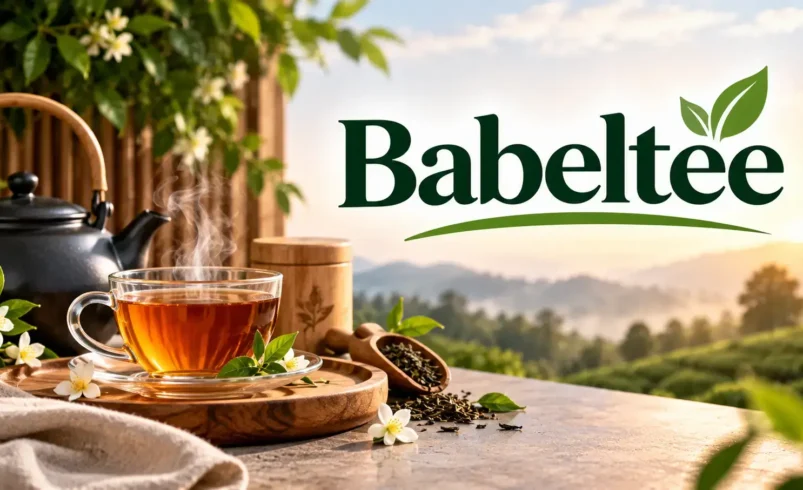
The internet has a habit of turning unfamiliar words into recognizable search terms before anyone has agreed on exactly what those words mean, and Babeltee is a surprisingly good example. At first glance, the name sounds as though it should describe a beverage. “Tea” is almost visible inside the word, while its similarity to “bubble tea” makes the connection feel even more obvious. Search a little deeper, however, and the picture becomes less straightforward. Current online references use Babeltee for customizable tea drinks, bubble-tea-style beverages, creative branding, fashion and T-shirt concepts, and occasionally broader digital or lifestyle ideas. What is missing is just as important: there is currently no widely recognized dictionary definition, traditional recipe, documented inventor, established country of origin, or universally recognized company that controls the meaning of Babeltee. Recent articles examining the term therefore tend to reach the same conclusion: Babeltee is best treated as an emerging, context-dependent online term rather than a standardized product category.
That uncertainty actually explains why people keep searching for it. Someone may encounter Babeltee in a drink-related article and wonder whether it is the newest version of boba. Another person may see “Babel Tee” connected with clothing and assume it refers to a T-shirt brand. A third user may simply have typed “bubble tea” incorrectly and been shown pages built around the alternative spelling. Rather than forcing all of those searches into a single explanation, the most useful approach is to understand what Babeltee currently means in different contexts, where the bubble-tea association comes from, what a Babeltee-style drink might contain, and which claims about its origin should be treated with caution.
What Is Babeltee?
Babeltee is currently an informal online term most frequently associated with flexible or customizable tea-based drinks. In beverage-focused descriptions, a Babeltee drink may begin with black tea, green tea, jasmine tea, oolong, matcha, herbal tea, or another tea base and then be customized with milk, fruit, syrups, herbs, spices, sweeteners, ice, tapioca pearls, popping boba, jelly, or other toppings. There is no single recipe that makes a drink officially “Babeltee,” which is one of the biggest differences between the term and more established beverage categories.
This flexibility is part of the appeal. Rather than describing one flavor, Babeltee is often presented online as an idea built around personalization. One person might create a cold jasmine tea with peach, honey, and popping boba, while another could use matcha, milk, brown sugar, and tapioca pearls. A third might make a lighter herbal version without milk or toppings at all. In that sense, the word functions more like a creative label than a rigid recipe.
However, that does not mean every drink containing tea and fruit is suddenly a Babeltee. Because the term lacks a recognized standard, businesses and writers can currently use it in different ways. Context remains essential.
Is Babeltee the Same as Bubble Tea?
The short answer is not necessarily.
Bubble tea, also commonly called boba tea, is a recognized beverage category with well-documented Taiwanese roots dating back to the 1980s. It became internationally known through combinations of brewed tea, milk or fruit flavors, sweeteners, and chewy tapioca pearls or other toppings. Babeltee does not have that same documented culinary history. There is currently no comparably strong evidence identifying a birthplace, original shop, inventor, or standard recipe for Babeltee.
The confusion comes from the obvious similarity between the words and the ingredients used in many online descriptions. A Babeltee-style drink can contain exactly the kinds of ingredients found in bubble tea—milk tea, fruit, syrup, ice, tapioca pearls, popping boba, and flavored jellies. That overlap makes it tempting to use the terms interchangeably.
But doing so would create more certainty than the evidence supports.
A better distinction is that bubble tea is an established beverage tradition, while Babeltee is an emerging and loosely defined online label that may describe bubble-tea-inspired drinks or other customizable tea combinations.
If you see Babeltee on an actual café menu, the smartest approach is to read the ingredients rather than assuming you already know what you will receive.
Where Did Babeltee Come From?
The exact origin of the term remains unclear.
Current search results do not identify one verified person or company that coined Babeltee. There is no established historical record showing when it was first used, and there is no authoritative beverage organization defining it. Recent research-focused articles specifically note that the word lacks a documented traditional origin comparable to established teas or bubble tea.
Several possibilities are reasonable. Babeltee could have developed as a creative spelling inspired by bubble tea. It could have originated as a brandable online name. It may also be a combination of “Babel” and “tea,” with “Babel” suggesting a mixture of cultures, languages, or flavors. That interpretation sounds attractive because customizable drinks can combine ingredients from several culinary traditions, but there is currently no reliable evidence proving that this was the original intention.
This distinction matters because online articles sometimes turn a plausible interpretation into a fake historical fact.
If a website claims that Babeltee originated in a specific ancient culture, city, café, or year, look for a source supporting that statement before accepting it.
Why the Name “Babeltee” Is So Interesting
Part of the word’s popularity may come from the fact that it supports multiple interpretations at once.
“Babel” is familiar from the Tower of Babel story and is commonly associated with language, diversity, communication, and mixtures of cultures. “Tea” obviously suggests the beverage. Written slightly differently as “Babel Tee,” however, the second half could also mean a T-shirt.
That creates unusual branding flexibility.
In a café, Babeltee can sound like an international or experimental tea concept. On a clothing website, Babel Tee can sound like graphic apparel. In digital culture, it can function simply as a distinctive invented name.
Recent search results show all of these interpretations appearing online, which is why one universal definition does not work very well.
What Goes Into a Babeltee-Style Drink?
Although there is no official recipe, most beverage-focused descriptions follow a simple structure: tea base + flavor + optional milk + sweetness + toppings.
The tea base determines much of the drink’s character. Black tea creates a stronger and more traditional milk-tea taste. Green or jasmine tea works well with fruit flavors. Oolong provides a deeper roasted or floral profile. Matcha creates a richer, more distinctive drink, while herbal infusions can be useful when someone wants to avoid traditional caffeinated tea.
Next comes flavor.
Popular combinations could include mango, strawberry, peach, passion fruit, lychee, lemon, taro, brown sugar, vanilla, or even herbs and spices.
Milk is optional. Dairy milk can produce a creamier drink, while oat, almond, soy, or coconut milk can create different textures and flavors.
Sweeteners may include sugar syrup, brown sugar, honey, fruit syrup, or other alternatives.
Finally come the toppings. Tapioca pearls make the drink feel closest to traditional bubble tea, while popping boba, fruit jelly, aloe, pudding, or similar additions can change the experience considerably.
The important point is that none of these ingredients alone defines Babeltee. Customization is currently more central to the online concept than one required formula.
How to Make a Babeltee-Style Drink at Home
Because the term is flexible, making a Babeltee-style drink does not require specialized equipment.
Start by brewing a strong tea because ice, milk, or fruit will dilute it. Let the tea cool before mixing it with the remaining ingredients. Add your chosen fruit puree, syrup, citrus, or flavoring and adjust sweetness gradually rather than adding a large amount immediately. If you prefer a creamy drink, add dairy or plant-based milk. Finish with ice and whatever toppings suit the combination.
For example, a refreshing version could use jasmine tea, mango puree, lime, honey, ice, and passion-fruit popping boba.
A richer variation might combine black tea, oat milk, brown sugar syrup, and tapioca pearls.
Another version could pair green tea with strawberry, mint, and lemon without any milk.
These are examples of the flexible concept rather than official recipes.
That distinction allows experimentation without pretending that Babeltee has one traditional preparation method.
Is Babeltee Healthier Than Bubble Tea?
There is no automatic answer because the nutritional profile depends entirely on the ingredients.
A lightly sweetened tea with fresh fruit could contain far less sugar than a large milk tea loaded with syrup and sweetened tapioca pearls. On the other hand, a Babeltee-style drink containing large amounts of brown sugar, sweetened milk, flavored syrup, and toppings could contain similar calories and sugar to a dessert-style bubble tea.
The name itself does not make a beverage healthier.
If nutrition matters to you, focus on the actual recipe. Check the amount of added sugar, portion size, milk choice, toppings, and caffeine content.
A tea-based beverage can be relatively simple or extremely indulgent depending on how it is prepared.
Does Babeltee Contain Caffeine?
Again, it depends on the tea base.
Black tea, green tea, oolong, jasmine tea made from true tea leaves, and matcha generally contain caffeine. Herbal infusions may be naturally caffeine-free depending on their ingredients.
This is particularly important for people ordering a drink in the evening or trying to control caffeine intake.
Because Babeltee does not have a standardized recipe, you cannot determine caffeine content from the name alone.
Ask what tea is used.
Babeltee as a Fashion or T-Shirt Term
The beverage interpretation currently dominates many recent search results, but it is not the only one.
Several online explanations also connect Babeltee or Babel Tee with clothing, graphic T-shirts, creative apparel, streetwear, and personalized fashion. In this interpretation, “tee” has nothing to do with tea as a drink—it simply means T-shirt.
This is why context matters so much.
If Babeltee appears beside words such as:
fabric,
size,
graphic,
cotton,
streetwear,
print,
or apparel,
you are probably looking at a clothing-related use.
If it appears beside:
milk,
fruit,
tapioca,
tea,
flavor,
or boba,
the intended meaning is almost certainly beverage-related.
The fact that one spelling can naturally support both meanings is probably one reason the term has been reused so easily online.
Is Babeltee a Brand?
There is currently no strong evidence showing that one globally recognized company owns every use of the word Babeltee.
Different websites may use the term for unrelated purposes. Current search results do not establish that beverage-related Babeltee content, apparel-related Babeltee references, and other uses all originate from one organization.
That means you should evaluate each product or website separately.
If you see a shop claiming to sell Babeltee products, check who operates that specific shop rather than relying on the keyword itself.
Look for business contact information, return policies, customer reviews, secure checkout, product descriptions, and other trust signals before making a purchase.
Why Is Babeltee Suddenly Appearing Everywhere?
The timing is interesting.
A noticeable number of explanatory articles about Babeltee have appeared during 2026, many asking almost identical questions: What is it? Is it bubble tea? Is it a brand? Is it a fashion concept?
That pattern can create an online feedback loop.
An unusual keyword receives some search activity. Publishers notice it and create content. Those pages become indexed by search engines. More users encounter the term and search for its meaning. Additional publishers then write about it.
Eventually, an obscure or invented word can develop a surprisingly large search footprint.
This does not necessarily mean Babeltee has become a major global beverage trend. It may simply mean that the uncertainty surrounding the word has itself become the search intent.
Recent September 2026 articles repeatedly describe it as an emerging term rather than an established traditional product, which supports that interpretation.
Babeltee vs Boba Tea vs Milk Tea
The easiest way to understand the differences is through standardization.
Milk tea is a broad established category involving tea combined with milk or a milk-like ingredient.
Bubble tea or boba tea is an established Taiwanese-origin beverage category commonly involving tea plus milk or fruit flavor and optional chewy toppings such as tapioca pearls.
Babeltee, based on current online usage, is an emerging informal label that may borrow from both but does not have one historically established recipe.
That means every bubble tea could theoretically resemble something someone calls Babeltee, but that does not make the two terms official synonyms.
Can Cafés Use Babeltee as a Menu Concept?
They certainly could.
Because the term does not currently appear to carry one rigid beverage definition, a café could potentially use it for a customizable section where customers choose their own tea, milk, flavor, sweetness, and toppings.
For example, a menu might allow customers to select:
a tea base,
one fruit flavor,
a milk option,
sweetness level,
and two toppings.
That would align closely with the way recent online articles describe Babeltee.
From a branding perspective, the word also has the benefit of sounding familiar while remaining unusual enough to attract curiosity.
The challenge would be explaining it clearly.
If customers have no idea what Babeltee means, the menu should describe the concept rather than assuming the name explains itself.
Frequently Asked Questions About Babeltee
What is Babeltee?
Babeltee is an emerging and loosely defined online term most commonly associated with customizable tea-based beverages, although it also appears in fashion and branding contexts.
Is Babeltee a real drink?
People can make or sell drinks under the name Babeltee, but it is not currently a standardized traditional beverage with one universally recognized recipe.
Is Babeltee the same as bubble tea?
No confirmed standard establishes them as the same thing. Bubble tea has a documented Taiwanese history, while Babeltee is a newer and more ambiguous term.
Does Babeltee contain boba?
It can. Tapioca pearls, popping boba, and similar toppings are commonly included in online descriptions, but they are not required because there is no standardized Babeltee recipe.
Does Babeltee always contain milk?
No. Some interpretations use milk, while others rely on fruit tea, herbal infusions, or clear tea bases.
Where did Babeltee originate?
There is currently no reliably documented inventor, café, country, or historical origin for the term.
Can Babeltee mean a T-shirt?
Yes. In some online contexts, “Babel Tee” is associated with T-shirts, fashion, graphic apparel, or branding rather than beverages.
Is Babeltee a company?
Current search evidence does not support treating every use of Babeltee as belonging to one company or brand. The term appears in several unrelated contexts.
Final Thoughts
Babeltee is interesting precisely because the internet has started using the word faster than a fixed definition has developed around it. Current search results most often connect Babeltee with customizable tea drinks made from combinations of tea, fruit, milk, sweeteners, herbs, syrups, tapioca pearls, popping boba, or other toppings. Yet there is still no established traditional recipe, recognized inventor, universally accepted origin, or formal beverage category behind the name.
Its resemblance to bubble tea explains much of the confusion, but the two terms should not be treated as automatic synonyms. Bubble tea has a documented Taiwanese history and global beverage identity. Babeltee currently functions more like a flexible online label inspired by tea culture and customization. In other contexts, “Babel Tee” can even refer to T-shirts, apparel, or creative branding, making context essential whenever the word appears.
For now, the most accurate way to describe Babeltee is as an emerging, context-dependent term rather than a fixed product. If you encounter it on a café menu, check the ingredients. If you see it on a clothing site, “tee” probably means T-shirt. If an article claims that Babeltee is an ancient drink with a precise historical origin, look closely at the evidence before believing it.
The term may eventually settle into one dominant meaning as more people use it. Until then, its flexibility is not just part of the confusion—it is the main reason Babeltee has become interesting enough for people to search in the first place.
Also Explore: SosoActive Explained: What It Is, Its History and What the Website Offers Today