
How to Make Sure Your New Condo Is Ready for You
- November 13, 2026
- 0
Buying a new condominium is an exciting step, whether you are moving into your first home or choosing a property that better suits your lifestyle. However, before unpacking

Buying a new condominium is an exciting step, whether you are moving into your first home or choosing a property that better suits your lifestyle. However, before unpacking
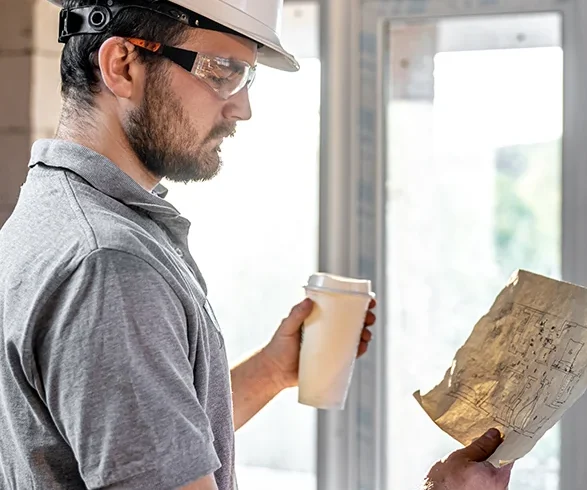
Buying a new condominium is an exciting step, whether you are moving into your first home or choosing a property that better suits your lifestyle. However, before unpacking your belongings, it is important to make sure everything is ready. A Condo inspection can help identify potential maintenance concerns, while a careful review of the unit and building can make your move more comfortable.
Start by examining the general condition of your new condo. Walk through every room and look at the walls, ceilings, floors, windows, and doors. Fresh paint and attractive finishes may look appealing, but they should not distract you from signs of damage or incomplete work.
Look for cracks, stains, loose flooring, damaged fixtures, and areas that may need additional cleaning or repairs. Open and close doors and windows to make sure they operate properly.
If you notice anything unusual, take photographs and make a written record. This gives you a clear reference when discussing outstanding issues with the seller, developer, or property management team.
Plumbing and electrical systems are essential for everyday comfort. Before settling in, check that taps, sinks, toilets, showers, and other accessible fixtures are working as expected.
Pay attention to water pressure, drainage speed, and signs of leakage beneath sinks or around bathroom fixtures. Slow drains or persistent moisture may indicate a problem that needs professional attention.
You should also test accessible electrical outlets, light switches, and installed lighting. Check that appliances included with the property are functioning according to their instructions.
If you notice damaged wiring, unusual electrical behavior, or persistent plumbing problems, contact a qualified professional rather than attempting complicated repairs yourself.
The kitchen is one of the most frequently used areas of a home, so it deserves careful attention before moving in. Open cabinets and drawers, examine countertops, and check whether doors and handles are securely attached.
If the condo includes appliances, confirm that they are present and operating properly. These may include:
Check for visible damage, unusual sounds, and signs of water leakage around appliances. Review any available manuals and warranty documents so you know how to operate and maintain the equipment.
A comfortable indoor environment depends on properly functioning heating, cooling, and ventilation systems. Before moving in, test the available equipment and confirm that it responds to the controls.
Check whether air flows through the vents and whether the thermostat displays the expected settings. Look for visible dust buildup, damaged filters, or unusual noises.
Bathrooms and kitchens should also have suitable ventilation to help manage moisture and odors. Poor ventilation can contribute to condensation and may create conditions that encourage mold growth.
If the system appears unreliable or has not been serviced recently, ask building management or a qualified technician about its maintenance history and whether servicing is recommended.
Moisture-related problems can affect the condition of walls, ceilings, flooring, and cabinets. Check around windows, bathroom corners, kitchen plumbing, and other areas where water may collect.
Common warning signs include peeling paint, discoloration, musty odors, and damp surfaces. These signs do not always indicate a major problem, but they should be investigated if they persist.
Pests also deserve attention before you move your belongings into the unit. Look for visible activity, damaged wooden materials, or evidence of previous treatment.
When arranging specialist pest services, research the average cost of termite inspection in your area and compare quotes from qualified providers. The price may depend on the building, inspection scope, and accessibility. If the property has a shared pest management program, ask the building manager about previous treatments and available records.
Condo living involves more than the individual unit. Residents also depend on shared facilities such as elevators, hallways, parking areas, staircases, gardens, and recreational spaces.
Before moving in, explore the building and check whether common areas appear clean, accessible, and properly maintained. Ask management about maintenance schedules and how residents can report problems.
It is also useful to understand:
Understanding these details early can help you avoid confusion and settle into the building more easily.
Safety should be a priority before occupying any property. Check that doors and windows lock properly and that smoke alarms and other installed safety devices are present.
Ask building management about emergency exits, fire evacuation routes, and the location of shared safety equipment. Make sure you understand the building’s procedures for reporting emergencies and maintenance hazards.
You should also locate the main water shutoff information and understand whom to contact if a plumbing or electrical emergency occurs. Do not attempt to operate unfamiliar building equipment without appropriate guidance.
Before moving in, organize the documents related to your condo. These may include ownership or rental agreements, warranties, appliance manuals, maintenance records, and building rules.
Confirm that you have received the correct keys, access cards, parking information, and any required move-in instructions.
If outstanding repairs were promised, request written confirmation of what remains to be completed and when the work is expected to finish. Keeping these records organized makes it easier to follow up if something is delayed.
Once the unit and building are ready, prepare a practical moving schedule. Confirm the building’s moving hours, elevator reservation requirements, delivery procedures, and any restrictions on large furniture.
Measure doorways, hallways, and important spaces before bringing in bulky items. Arrange utility connections and update your address where necessary.
Cleaning the unit before unpacking can also make the transition easier. Prioritize essential items first so that your kitchen, bathroom, and sleeping area are ready for everyday use.
Preparing a new condo involves checking its condition, testing essential systems, reviewing building facilities, and organizing important documents. By addressing concerns before moving in, you can reduce unexpected problems, protect your belongings, and enjoy a smoother transition into your new home.